

Orlando Beyond the Gates: Where a City of Newcomers Learns to Stay Forever
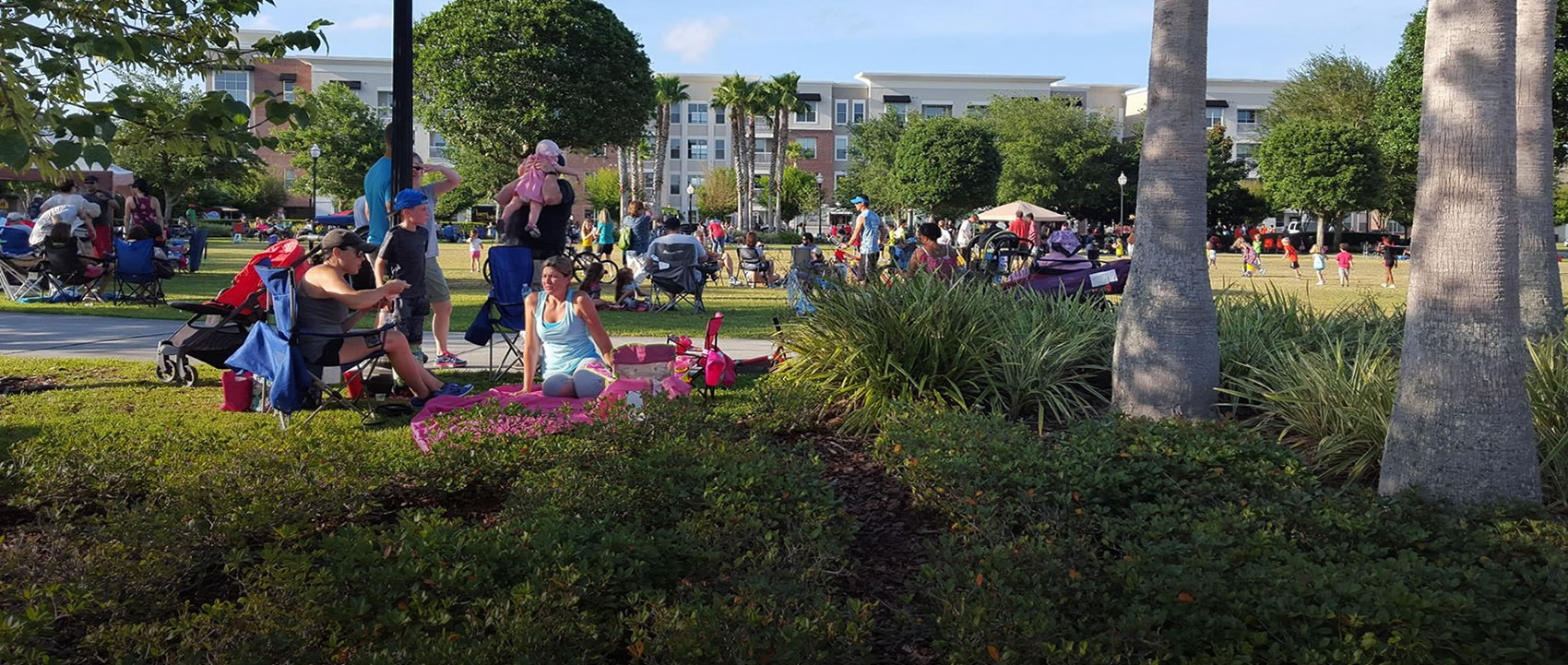
Every Orlando conversation with an outsider begins with the same correction. No, we don’t all work at the parks. Yes, real people live here – two and a half million of us in the metro now, one of the fastest-growing regions in America for two decades running. Orlando is a city of arrivals: retirees trading Ohio winters for Lake County sunshine, Puerto Rican families who made Central Florida the mainland’s Boricua capital, healthcare workers, hospitality lifers, Haitian and Vietnamese and Colombian communities each with their own churches and groceries and Saturday rhythms. What nobody mentions about a city of arrivals is the milestone that eventually finds every family in it: the first loss on new ground, and the question that follows – where, and how, do people who came here to live decide to stay forever?
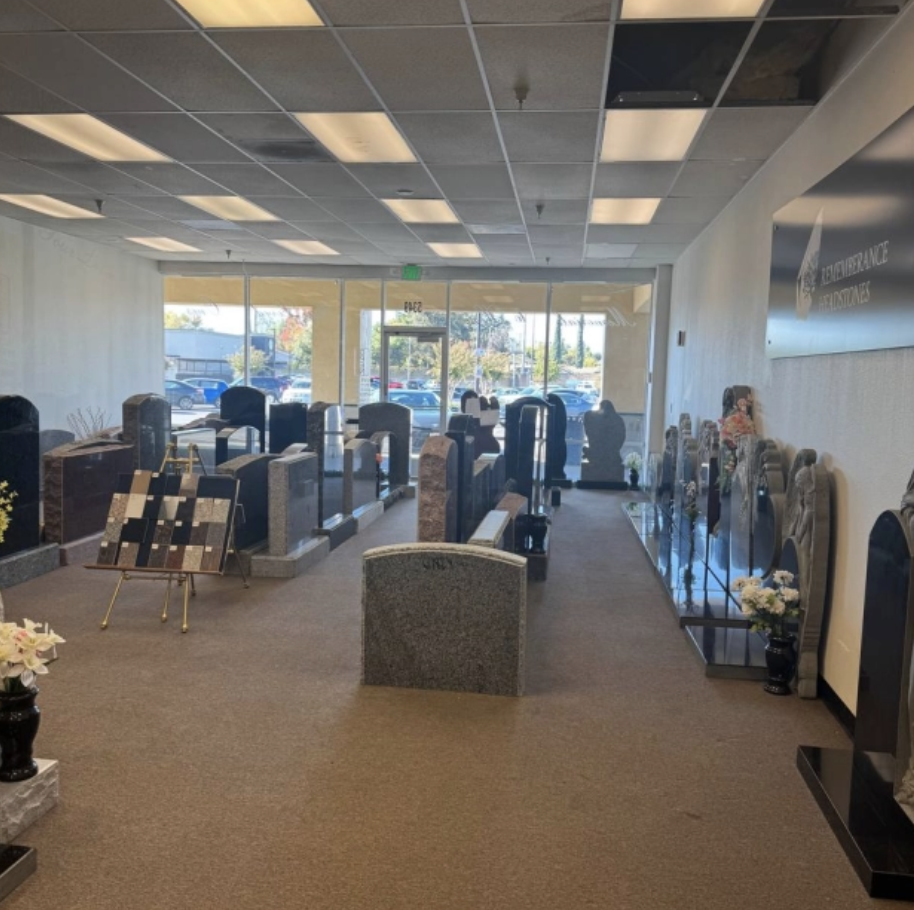
It is a more local question than it sounds, and the local infrastructure for it is more interesting than a newcomer would guess. Families searching headstones orlando encounter an unexpected marker of the city’s maturity – Remembrance Headstones operates one of its Florida consultation rooms here, part of a monument trade that has followed the population south and set up the full apparatus: showroom floors with granite you can put a hand on, designers who know the region’s cemeteries by name, and the modern toolkit of 3D previews that lets a family in Kissimmee design alongside a sister in San Juan or a brother still in Cleveland. A city gets its theme parks in its first act. It gets its monument makers when it becomes home.
The cemeteries tell the city’s story
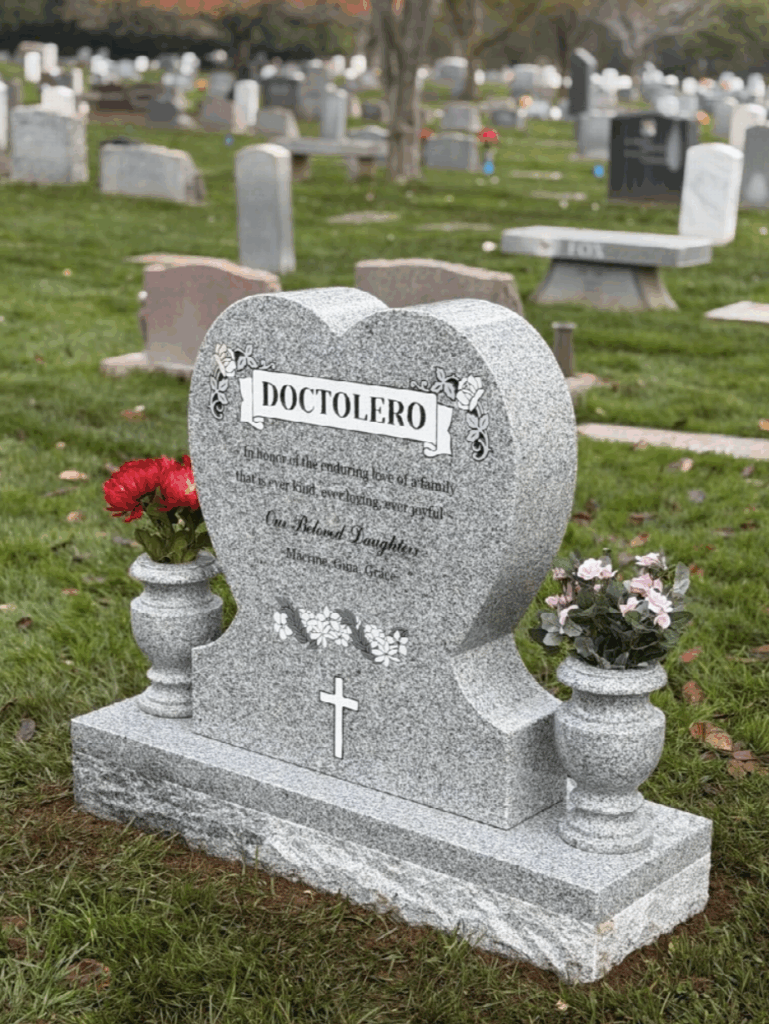
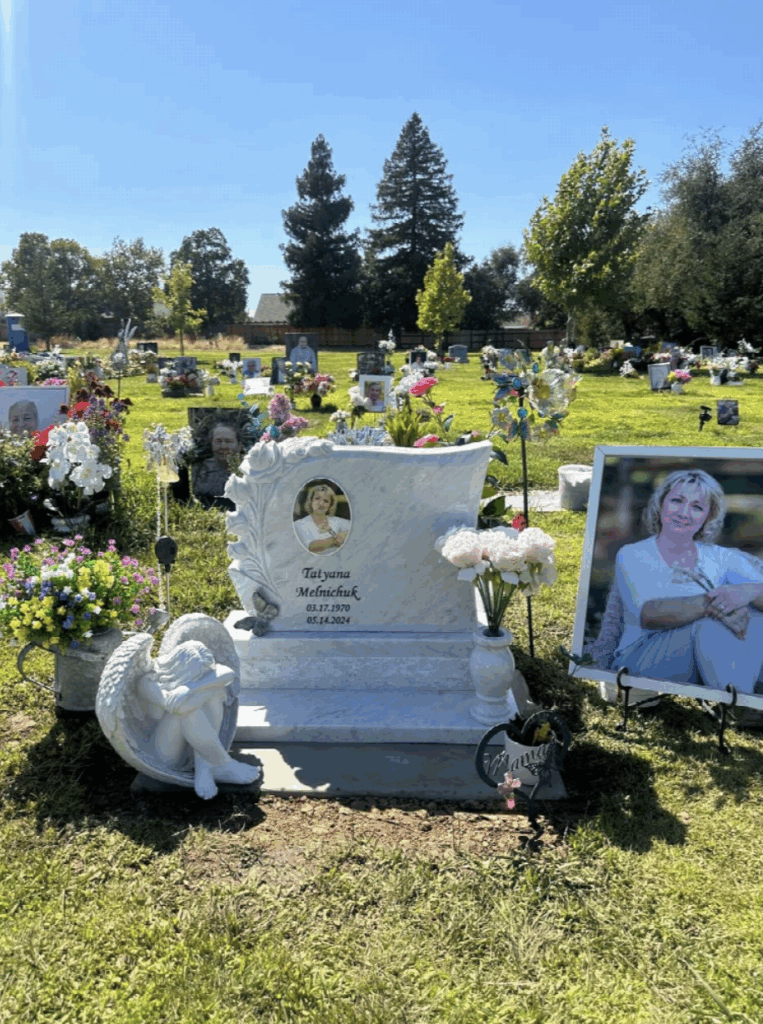
Spend a Saturday driving Orlando’s burial grounds – a stranger pastime than the parks, admittedly, and a better history lesson – and the city’s layers read in stone. Greenwood Cemetery downtown, the municipal old-timer from 1880, holds the citrus barons and cattle families under live oaks heavy with Spanish moss, their Victorian uprights weathered to soft gray. The mid-century memorial parks that ring the city speak the flat-bronze language of their era, lawn-flat and orderly. And the newer sections, the ones filling now, are the most Orlando thing of all: Spanish-language inscriptions beside Vietnamese family stones beside the double markers of Midwest retirees, upright monuments returning to fashion, laser-etched portraits and palm trees and, on more than one stone, a discreetly carved castle – because this is still Orlando, and some families spent their happiest days at the parks and see no reason to be shy about it.
That diversity of stone is not decoration; it is the practical reality a local monument buyer navigates. Every cemetery in the region carries its own rulebook – Greenwood’s historic sections have different allowances than a Baldwin Park-era memorial garden, Catholic Diocese grounds have their own review, and the flat-only lawns cap everything at grass level. The first thing Orlando’s experienced funeral community tells families, and the advice repeats across every Central Florida grief-support group: get your cemetery’s monument regulations in writing before you choose anything, and work with a maker who verifies them directly. The heartbreak of a beautiful stone the section won’t accept is entirely preventable and entirely common.
Climate is a design constraint here
Orlando adds a variable the Ohio relatives never had to consider: this climate is gorgeous and merciless. Ninety-degree summers, daily thunderstorms from June to September, humidity that grows things on every surface it touches, and the occasional hurricane season worth respecting. The local design translation, learned from groundskeepers and monument installers who work these counties: granite over everything (it shrugs at all of the above, which is why it conquered the trade), polished finishes that rinse clean of Florida’s enthusiastic biology, deep-cut lettering that no summer of storms will soften, and foundations poured to spec because saturated ground tests every shortcut. Bronze does fine here too but wants maintenance the way everything metal in Florida wants maintenance. The families who choose polished granite with deep-carved letters are choosing, in effect, the low-upkeep landscaping of memorials – a genuinely local consideration in a city where half the descendants may live two time zones away.
The distance point deserves its own paragraph, because it is the quiet center of Orlando memorial planning. This is a city where the deceased’s children are in three states and the grandchildren are in five. The monument process has adapted: design consultations run over video with the whole scattered family on screen, proofs circulate by email for a round of everyone’s opinions, and the augmented-reality preview – standing the virtual monument on the actual Orlando plot – lets a daughter in Chicago see exactly what Mom in Winter Garden is approving. Reviews of local monument work are full of this geometry: five siblings, four states, one stone, no arguments. For a city of arrivals, the trade rebuilt itself around the fact that families no longer stand in one place.
The pre-need habit worth importing
One more local observation, offered gently. Orlando’s retiree communities brought many habits south – early dinners, pickleball, unhurried left turns – and the wisest import is the least discussed: pre-need planning. The Villages-to-Lake-Nona corridor is full of couples who have already chosen their stone, together, at leisure, often laughing through the appointment according to every designer who runs one. Grief counselors endorse the practice without reservation; it converts the worst week’s hardest decision into a calm afternoon’s shared project, locks pricing, and hands children a gift they only recognize later. In a region this age-diverse, the habit is spreading to younger families too, usually after they’ve been through an unplanned version once.
Orlando will keep growing; the demographers are unanimous. Which means more arrivals, more families putting down the final kind of roots, more stones joining the live oaks and the laser palms and the discreet castles. The local resources have matured to meet them – the consultation room at remembranceheadstones.com serves the metro alongside the company’s other Florida reach, with the showroom granite, the cemetery-verification service, and the video-call geometry a scattered family needs. A city of newcomers becomes a hometown one milestone at a time. This is the last one, and Orlando, it turns out, does it with the same sunshine and mixed accents it does everything else. The moss and the granite get along fine.